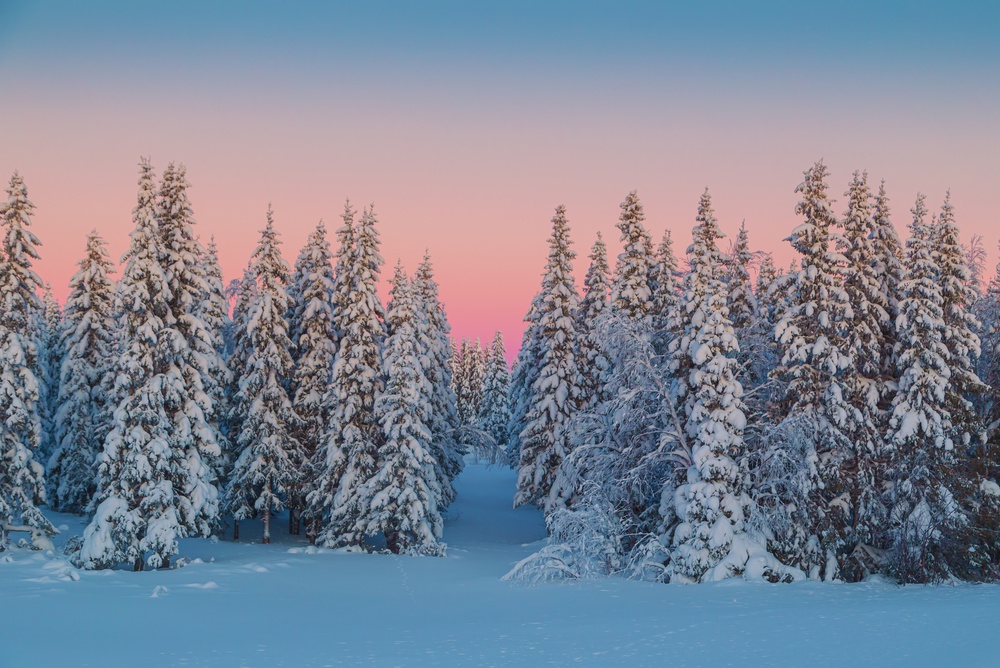
When people think about snow in mountain communities, skiing, snowboarding, sledding, and other winter activities may be the first things that come to mind. These activities are certainly an important part of places like Big Bear, California, but snow plays a much larger role in the environment. Seasonal snowfall is a natural part of the mountain water cycle, influences forests and wildlife, and shapes communities that depend on healthy winter conditions. This means conversations about protecting snow should not focus only on whether there will be enough snow for a particular recreational season. Snow conditions can affect the landscape long after visitors leave the slopes. When you understand snow’s broader role, it becomes easier to see why changes in snowfall, temperature, and snowpack deserve attention. Protecting winter environments is ultimately about maintaining the natural systems and community connections that depend on them.
Snow Helps Store Water in Mountain Environments
One of the most important reasons snow matters is its relationship with water. When precipitation falls as snow, it can remain stored in the mountain environment until warmer conditions cause gradual melting. This natural process can help distribute water over time rather than having all precipitation move through the landscape immediately. The timing and amount of snowmelt can influence streams, soil moisture, vegetation, and other parts of the mountain ecosystem. Warmer winter temperatures can change whether precipitation falls as snow or rain and can also cause snow to melt earlier. As these patterns shift, the timing of water availability can change as well. Viewing snow through the lens of water shows why snowfall matters even to people who never ski or snowboard. The snow on a mountain is part of a larger system, and changes in that system can affect conditions throughout the year. Learning more about this connection can help you better appreciate why healthy winter environments matter beyond the traditional ski season.
Snow and Forests Are Connected
Mountain forests also experience the effects of changing winter conditions. Snow shapes the seasonal environment around trees, plants, soil, and other organisms. A consistent snowpack can insulate soil and vegetation during cold periods, while the timing of snowmelt can influence when water becomes available to forests as temperatures rise. Changes in snowpack duration, depth, and timing may therefore affect how mountain ecosystems respond to seasonal conditions. Forests are already influenced by many factors, including temperature, precipitation, drought, insects, and wildfire conditions, so changes in winter patterns can become one part of a much larger environmental picture. Understanding these connections encourages a broader view of snow conservation. It is not simply about maintaining a certain number of snowy days for visitors. It is about paying attention to the conditions that help mountain forests and surrounding ecosystems function year-round. Learning how snow interacts with forests helps you understand why protecting winter conditions can support broader environmental awareness.
Wildlife Depends on Seasonal Winter Conditions
Snow is also part of the seasonal environment wildlife experiences. Animals living in mountain ecosystems have adapted to changing temperatures, precipitation, food availability, and seasonal cycles. When winter conditions change, those environmental cues can change as well. Earlier snowmelt, warmer winter temperatures, or differences in precipitation can influence vegetation growth and the availability of food and water. These changes may affect different species in different ways, depending on their habitat and seasonal needs. Snow can also influence the physical conditions within an ecosystem, creating a seasonal layer that interacts with soil, plants, and other organisms. This is another reason to protect snow, not just to preserve recreational opportunities. A healthy winter environment is part of a larger ecosystem that supports many forms of life. Paying attention to these relationships can help communities see that snow connects to the natural world in ways that may not be immediately visible from a ski slope or mountain road.
Protecting Snow Means Thinking About Future Generations
The importance of snow extends to the people who will experience mountain communities and environments in the future. Children growing up today may encounter different winter conditions than previous generations experienced, particularly as climate patterns continue to change. Protecting an appreciation for snow means helping future generations understand its role in water, forests, wildlife, communities, and seasonal ecosystems. The Saving Our Snow Foundation raises awareness of how human activity affects snowfall and winter environments while encouraging education, community outreach, and sustainable practices. You can support this mission by learning more about the importance of snow, sharing information with others, participating in outreach, and encouraging your community to stay engaged with winter environmental issues. Saving snow is not simply about preserving a ski season. It is about understanding the many systems connected to winter and considering what kind of mountain environment we want future generations to experience. To learn more about environmental education and how you can support efforts to keep snow and winter environments important for future generations, call Saving Our Snow Foundation at (858) 214-4684 today and get involved.
Recent Post
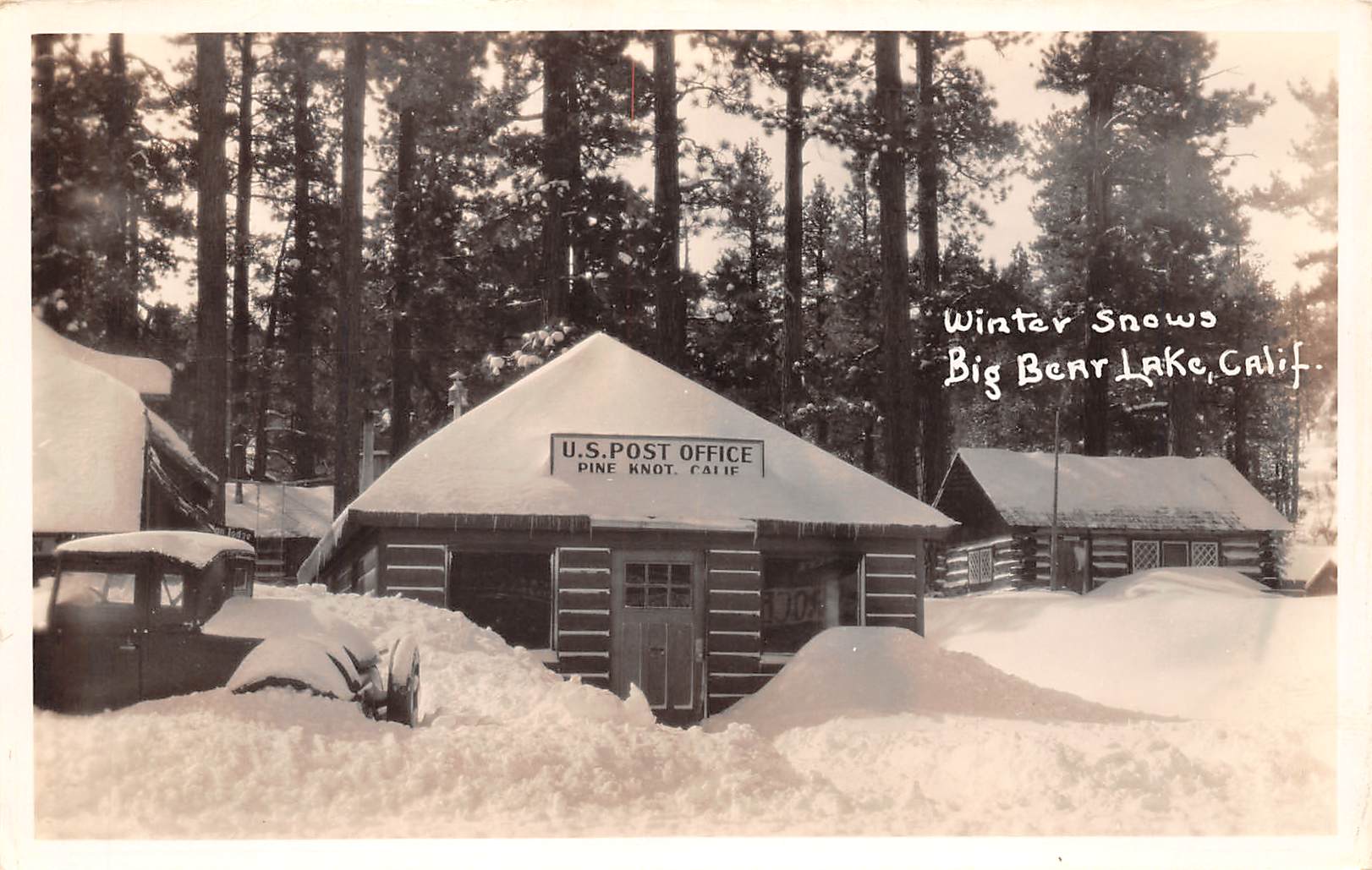
Understanding that history helps you better appreciate why snow is such an important natural feature of Big Bear and why changes in winter conditions deserve attention.
Tracking winter conditions, learning local weather patterns, and sharing reliable information can help communities have more informed conversations about how climate change may affect their snow-dependent environments.