Winter has traditionally brought a predictable rhythm to mountain communities, with colder temperatures, accumulating snow, and a dependable snowpack that can last for weeks or months. In places such as Big Bear, California, winter conditions are central to the local environment, recreation, tourism, and community identity. However, climate change is changing when snow falls, how much accumulates, and how long it lasts. A warmer climate does not mean every winter will be snow-free or that major snowstorms will disappear. Instead, winter can become more variable, with greater differences between individual storms and seasons. Temperatures near the freezing point matter especially because small changes can determine whether precipitation falls as snow or rain. You may notice that a winter can still include significant snowfall while also experiencing warmer periods, earlier melting, or changes in how long the snowpack lasts. Looking at these patterns over many years provides a clearer picture of how winter conditions are changing and why paying attention to long-term trends matters.
Shorter Snow Seasons Can Change Winter Conditions
One of the most noticeable effects of warming temperatures can be a shorter period when conditions are cold enough for snow to accumulate and remain on the ground. As winter temperatures rise, snowfall may begin later in the season, melt sooner, or be interrupted more often by warmer weather. For a mountain community like Big Bear, these changes can affect more than the landscape’s appearance. A shorter snow season can influence winter recreation, seasonal tourism, water availability, and the timing of natural processes that depend on snow. Snowfall timing can matter as much as the total amount recorded over a season. For example, receiving a large storm does not necessarily produce the same long-lasting snowpack as repeated storms followed by consistently cold temperatures. When warmer periods occur between storms, accumulated snow can disappear more quickly. This makes historical snowfall records particularly useful. Comparing individual storms with long-term patterns can help you understand that a single snowy winter does not necessarily tell the full story of changing winter conditions. Learning about these shifts helps you better understand what is happening to mountain environments over time.
Warmer Winters Can Change Snow Into Rain
Temperature plays a critical role in determining whether winter precipitation falls as snow or rain. In mountain areas where temperatures often hover near freezing, even modest warming can shift some precipitation from snow to rain. This change can have important consequences because rain and snow behave very differently after reaching the ground. Snow can accumulate and create a seasonal snowpack, while rain generally moves through the landscape much more quickly. A reduction in snowfall does not necessarily mean less precipitation overall. Instead, more of that precipitation may arrive in a form that does not contribute to long-lasting snowpack. Warmer winter conditions can also melt existing snow between storms, reducing the amount available later in the season. If you live in or regularly visit a mountain environment, observing these changes over time can help you better understand the connection between temperature and snowfall. Tracking winter conditions, learning local weather patterns, and sharing reliable information can help communities have more informed conversations about how climate change may affect their snow-dependent environments.
Rain-on-Snow Events Can Affect Mountain Environments
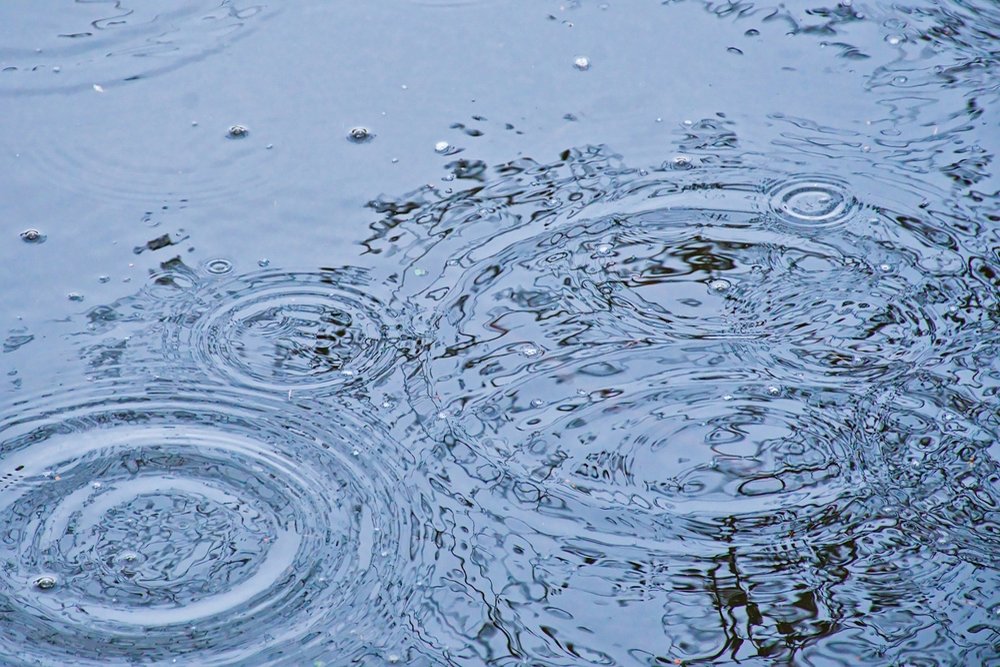
Rain falling onto an existing snowpack is another winter condition that deserves attention as temperatures change. Known as a rain-on-snow event, this occurs when rain falls over an established snow layer, adding water and heat to the snowpack. The result can be faster snowmelt and changes in how water moves through the landscape. In some circumstances, rain-on-snow events can increase runoff and flooding, particularly when the ground is already saturated, or the snowpack contains substantial stored water. They can also destabilize the snowpack and cause it to disappear more quickly than gradual melting alone. These events are important because snowpack is not simply frozen precipitation sitting on the ground. It serves as temporary water storage, releasing moisture over time as temperatures rise. When warming conditions alter how and when that water is released, the effects can extend beyond the winter season. Understanding rain-on-snow events can help you recognize why changes in winter precipitation patterns deserve attention even when a mountain region continues to receive occasional heavy snowstorms.
Changing Snowpack Conditions Matter for the Future
Snowpack conditions offer another way to understand how climate change affects winter. The amount of snow on the ground, its depth, density, water content, and how long it remains can all influence the mountain environment. A season with substantial snowfall may still develop a different snowpack if warmer temperatures cause frequent melting and refreezing. Changes in snowpack timing can also affect when water becomes available to ecosystems and communities. For Big Bear and other mountain areas, understanding these changes means looking beyond individual storms and considering the larger seasonal pattern. The Saving Our Snow Foundation raises awareness of how human activity affects snowfall and winter environments while encouraging education, community outreach, and sustainable practices. You can support that mission by learning more about changing winter conditions, sharing information about snowfall and climate, participating in outreach, and encouraging others to stay informed. To learn more about environmental education and ways to support efforts that keep snow and winter environments important for future generations, call Saving Our Snow Foundation at (858) 214-4684 today and get involved.
Recent Post
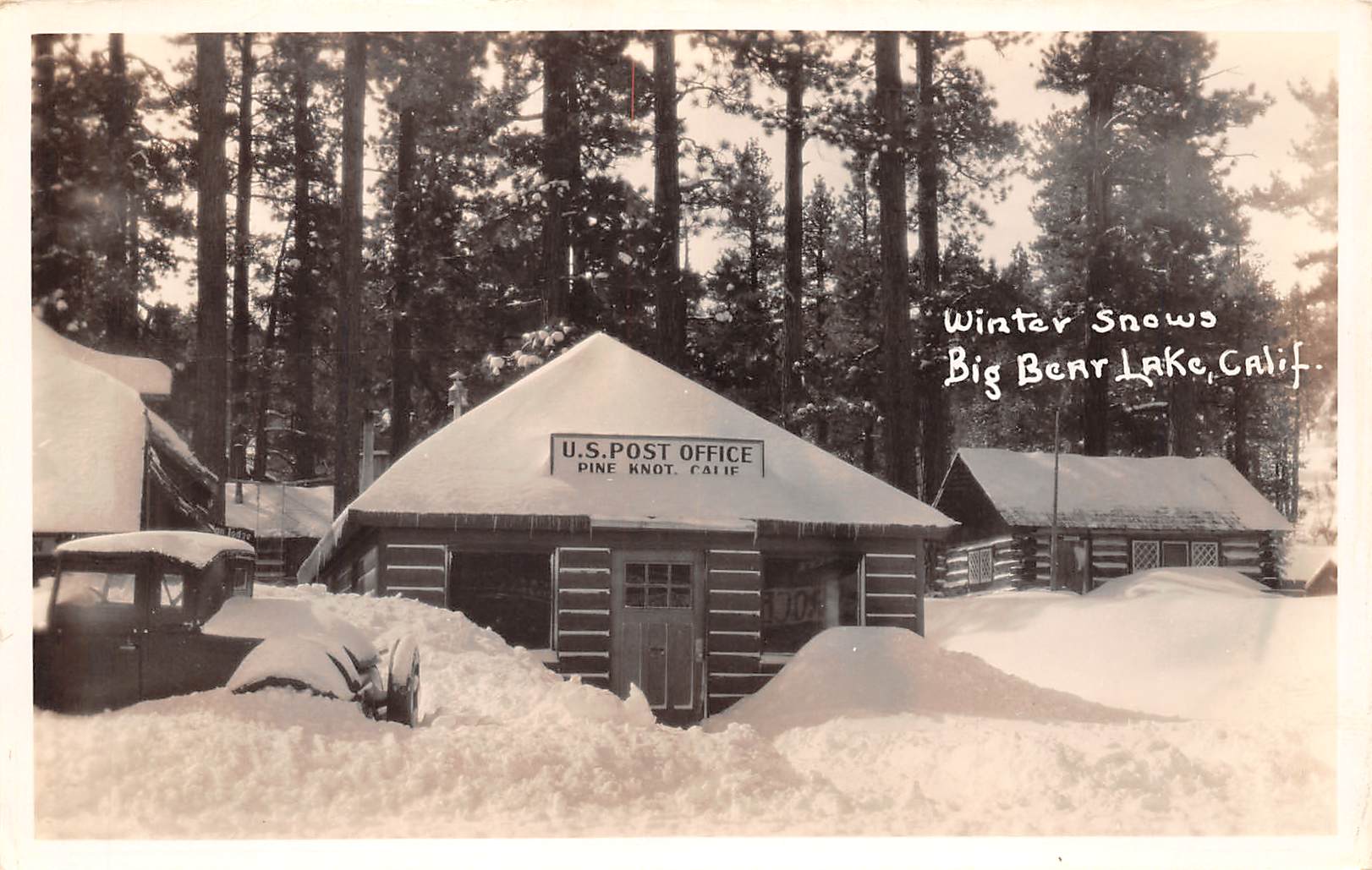
Understanding that history helps you better appreciate why snow is such an important natural feature of Big Bear and why changes in winter conditions deserve attention.
When you understand snow's broader role, it becomes easier to see why changes in snowfall, temperature, and snowpack deserve attention.