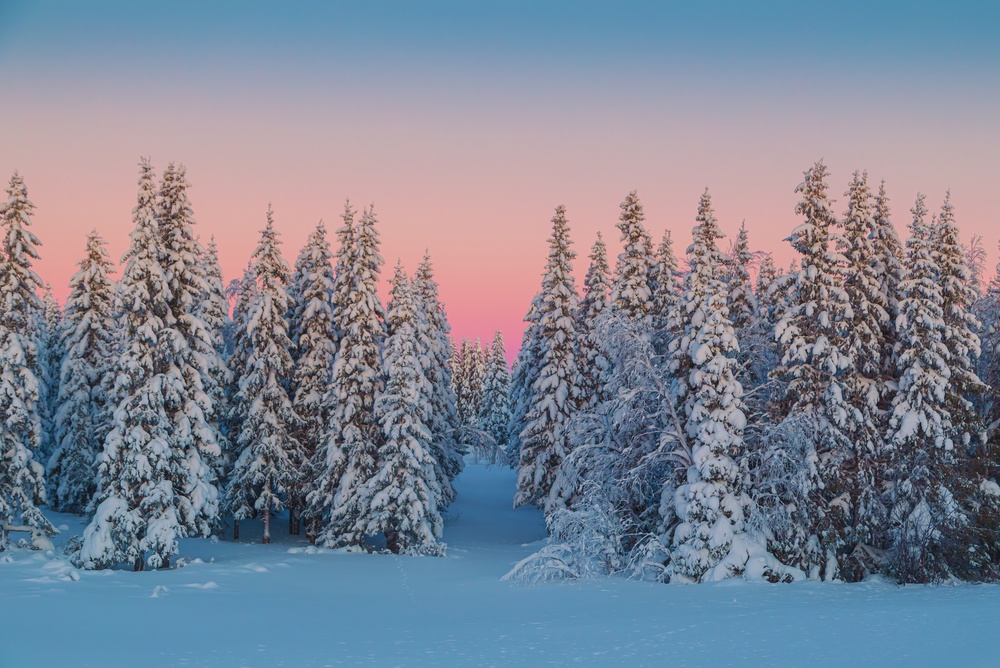
When you see fresh snow covering a mountain, you may think about skiing, winter views, or a quiet day outdoors. Yet snow does much more than create a beautiful winter scene. Snowfall acts as a natural water reserve that supports people, wildlife, forests, rivers, and mountain ecosystems. When snow builds up during colder months, it stores water until warmer temperatures cause a slow melt. This process helps provide water during spring and summer, when rain may be less common. You can think of mountain snow as a seasonal savings account for water. Each layer of snow holds moisture that can later move into streams, lakes, soil, and groundwater. When you understand this connection, you can see why changes in snowfall patterns matter far beyond a single ski season. Less snow can mean less water later. Earlier melting can also change when water reaches plants, animals, and communities. That timing matters because many natural systems depend on a steady water supply. You can help raise awareness by learning more about seasonal snow and sharing what you learn with others. Simple conversations can encourage more people to recognize why healthy winter environments deserve attention and care.
Snowpack Helps Provide Water During Warmer Months
Mountain snowpack plays an important role in the water cycle. During winter, snow collects across higher elevations and stores water as frozen precipitation. When temperatures rise, that snow begins to melt. A gradual melt can feed streams and rivers over many weeks or months. This steady flow can support forests, wildlife, farms, recreation, and communities that rely on mountain watersheds. You may not see this connection when you look at a snowy peak, but the water stored there can affect conditions far below. The amount of snow, the depth of the snowpack, and the timing of the melt can all influence water availability. When snow melts too early, water may move through a watershed before plants and animals need it most. Warmer conditions can also cause more precipitation to fall as rain instead of snow, reducing the amount of water stored for later use. By paying attention to these changes, you can better understand why snow conservation matters. Consider following educational resources from Saving Our Snow Foundation and sharing useful information with your family, friends, and community. Every effort to increase awareness can help more people recognize the value of healthy snowfall and mountain water systems.
Snow Supports Wildlife and Mountain Habitats
Wildlife also depends on the conditions created by seasonal snow. Snow affects food sources, shelter, water, and movement across mountain habitats. Some animals rely on snow cover for insulation from cold temperatures. Others depend on seasonal water created by melting snow. Plants also respond to snowpack and temperature patterns. A steady layer of snow can help protect soil and plant roots from extreme cold. As snow melts, it can provide moisture that supports new plant growth during spring. This growth can then support insects, birds, and larger animals throughout the food chain. Changes to snowfall can affect these natural patterns. If snow melts earlier than usual, plants may begin growing sooner. A sudden cold period after early growth can then create added stress. Wildlife may also face changes to food and water availability as seasonal conditions shift. You can help protect awareness of these connections by taking time to learn about local mountain habitats and the wildlife that depends on them. When you spend time outdoors, notice how snow, streams, plants, and animals connect. You can also encourage others to respect winter environments and support efforts that promote education about changing snowfall conditions.
Healthy Snowfall Helps Keep Mountain Ecosystems Balanced
A mountain ecosystem works through many connected processes. Snowfall is one part of that system, but its effects can reach across forests, streams, soil, plants, and wildlife. Snow can help regulate moisture and ground temperature. It can also influence when water enters streams and how much moisture remains available after winter. When snowfall patterns change, other parts of the ecosystem may respond as well. A shorter snow season can affect plants that depend on a certain amount of winter moisture. It can also change stream flow and create different conditions for wildlife. You can see why protecting winter environments requires more than focusing on snow as a recreational resource. Snow is part of a much larger natural system that supports life and communities. Your choices can help raise awareness. You can reduce waste, support responsible environmental practices, learn about local water sources, and talk with others about why snow matters. You can also support organizations focused on education and action for winter environments. If you want to take another step, learn more about the work of Saving Our Snow Foundation and find ways to get involved. Your attention can help turn concern into meaningful action.
Your Support Can Help Keep Snow Matters Visible
You have an important role in helping others understand why snowfall matters. A snowy mountain may look distant from your daily life, but its water, wildlife, and ecosystem benefits can reach far beyond the peaks. Learning about snowpack gives you a clearer view of how winter conditions connect to water supplies and natural habitats. When you share that knowledge, you can help start conversations that lead to greater environmental awareness. You can support education by following Saving Our Snow Foundation, sharing information about winter environments, and encouraging others to notice changes in snowfall. You can also look for meaningful ways to support efforts that promote awareness, community involvement, and sustainable practices. Every action can help keep the importance of snow visible. If you care about healthy winter environments and want to learn how you can contribute, call Saving Our Snow Foundation at (858) 214-4684 to learn more and get involved today. Your interest, support, and willingness to take action can help inspire greater care for snow, water, wildlife, and mountain ecosystems for years to come.
Recent Post
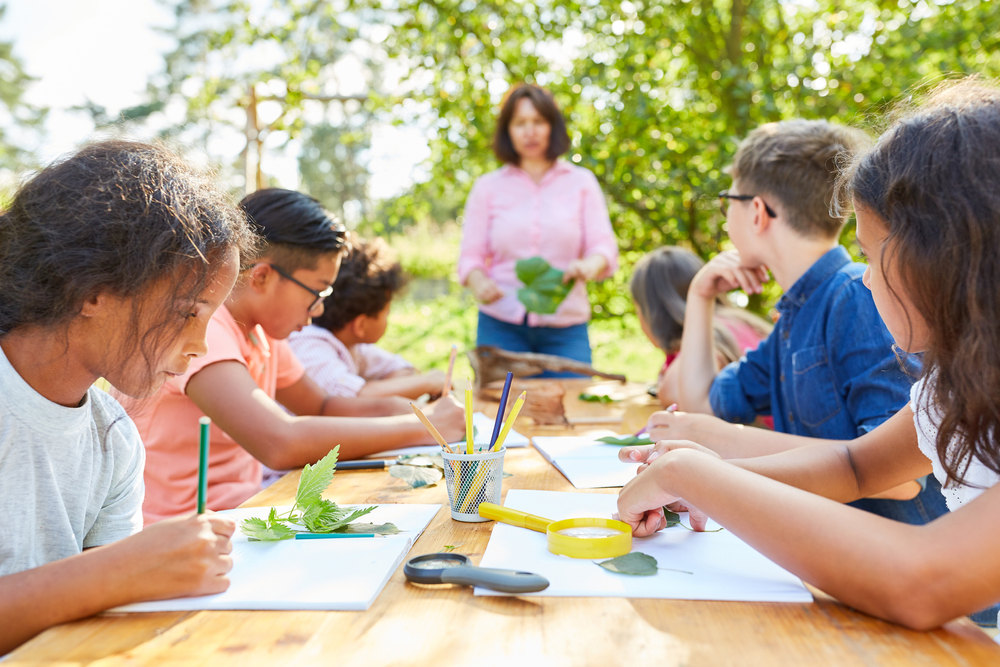
Education can inspire future generations to understand, value, and protect our snow.
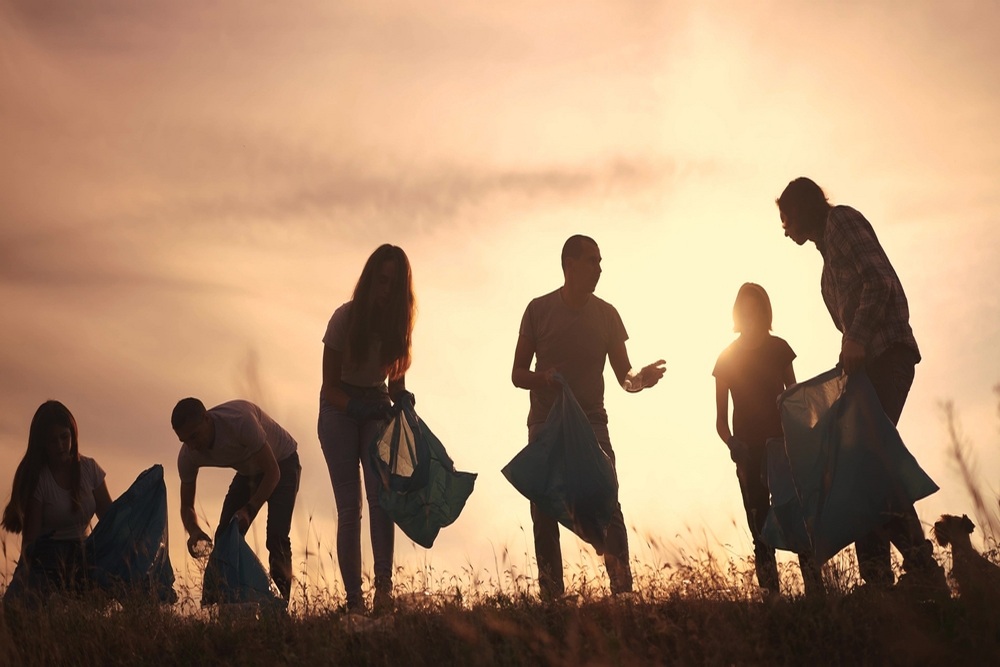
See how communities can work together to protect snow and healthier winter environments.