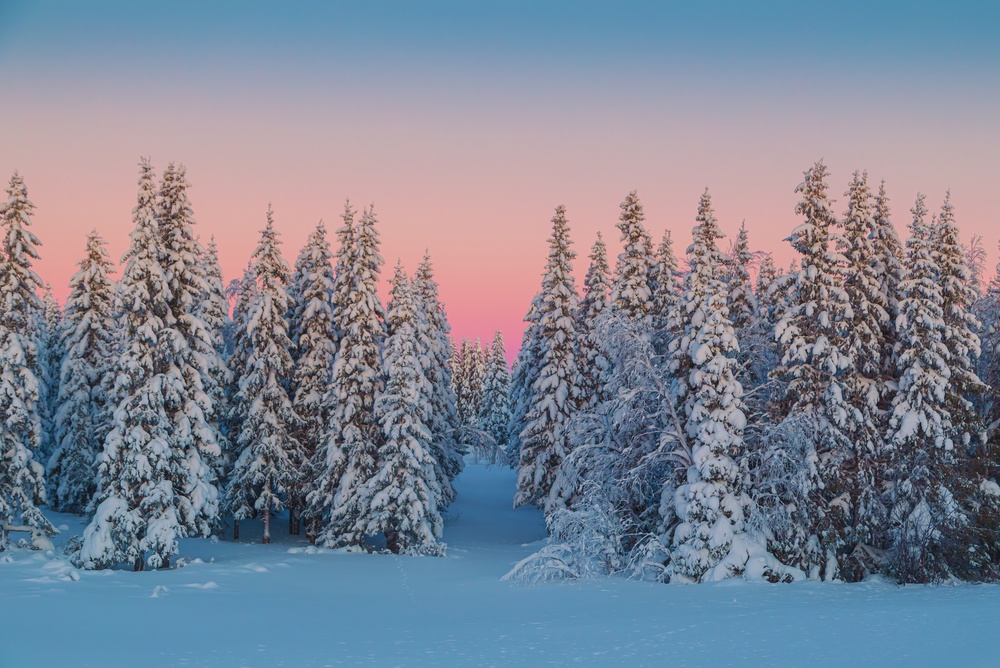
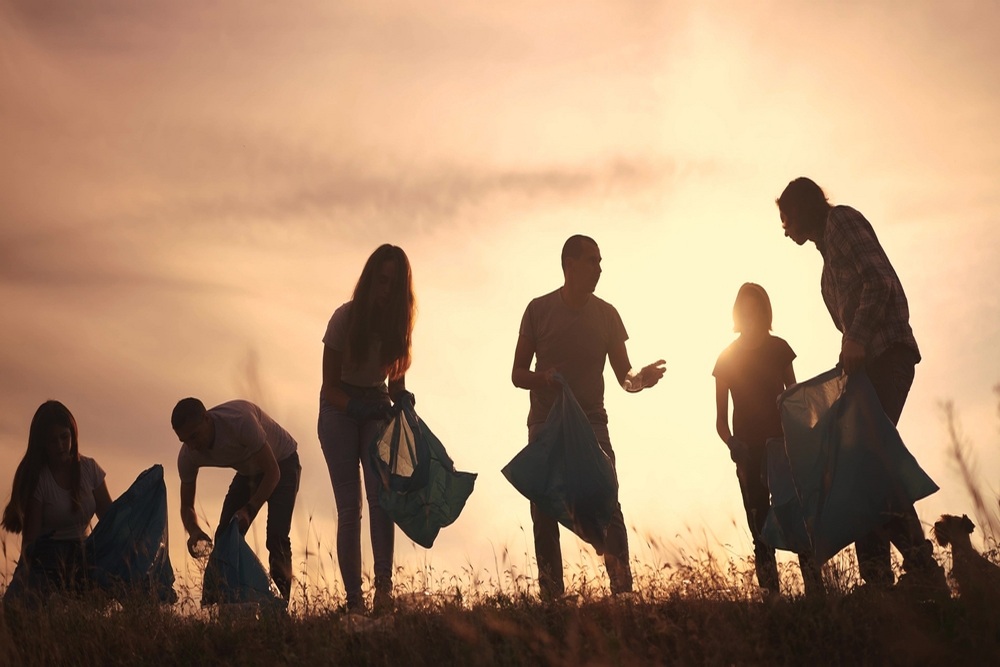
When you think about protecting snow and winter environments, you may assume that meaningful change depends only on scientists, environmental organizations, or government programs. Your community can also play an important role. The choices made by families, schools, businesses, local groups, and individuals can influence how people understand and care for winter environments. Snow is more than something you see on mountain peaks or enjoy during winter recreation. Snow stores water, supports wildlife, influences mountain ecosystems, and contributes to water supplies during warmer months. When snowfall patterns change, communities can feel the effects through changes in water availability, natural habitats, and seasonal conditions. You can help by learning about these connections and encouraging others to do the same. Community action can begin with simple steps, such as sharing reliable environmental information, reducing unnecessary waste, using energy wisely, and treating snowy outdoor areas with care. You can also encourage schools, neighborhood groups, and community organizations to include winter environmental topics in their activities. One conversation may encourage another person to pay attention. One local project may inspire a greater effort. You do not need to wait for someone else to take action. You can start by talking with people around you about why snow matters and what your community can do to support healthy winter environments. If you want to learn more, take some time to explore the educational mission of Saving Our Snow Foundation and discover ways to become involved.
Local Education Can Help People Understand Why Snow Matters
Education gives your community a stronger foundation for action. You are more likely to care about an environmental issue when you understand how it affects your surroundings and your future. Snowfall provides a good example because its importance may not be obvious during warmer months. Snow that collects in mountain areas can store water and release it gradually as temperatures rise. That melting process can support streams, plants, wildlife, and communities that depend on mountain water. When snow arrives later, melts earlier, or falls in different amounts, those changes can affect natural systems. Your community can learn about these connections through school programs, public presentations, outdoor activities, community discussions, and educational materials. Parents can talk with children about where water comes from and why snowpack matters. Teachers can use winter environments to discuss water cycles, wildlife, climate, and conservation. Community groups can organize educational events that encourage residents to ask questions and share ideas. You can also help by passing useful information to friends and family through conversations or social media. The goal isn’t to make everyone an environmental expert. The goal is to help more people understand why winter environments deserve attention. When you have accurate information, you can make better choices and encourage others to participate. Consider supporting environmental education efforts in your community so more people can understand the connection between everyday choices and the health of winter ecosystems.
Communities Can Reduce Waste and Use Resources Wisely
Your community can also help winter environments by reducing waste and using natural resources thoughtfully. The habits you practice at home can become even more effective when families, businesses, schools, and local organizations work toward similar goals. You can start with simple actions such as using reusable bottles and bags, reducing unnecessary packaging, recycling materials accepted in your area, and repairing items instead of replacing them when practical. You can also reduce water waste by fixing leaks, turning off faucets when you don’t need water, and using water carefully around your home. Energy use is another area where community action can make a difference. You can turn off lights and electronics when they are not needed, use energy-efficient equipment, and consider walking, biking, carpooling, or public transportation when those options fit your routine. Local businesses can take similar steps by reducing unnecessary energy use and waste. Schools can encourage students to practice sustainable habits and bring those lessons home. Neighborhood groups can organize cleanups or educational activities that make environmental responsibility a shared effort. You can make your own choices while also encouraging others to participate. Small changes may not seem significant for one household or one person, but repeated actions across an entire community can create a much larger impact. If you want to encourage more sustainable habits where you live, start a conversation with your neighbors, school, workplace, or community group and look for one practical change you can make together.
Responsible Outdoor Recreation Helps Support Winter Habitats
Your community can also make a difference by respecting snowy mountains, forests, and other winter recreation areas. When you visit these places, your behavior can affect plants, wildlife, soil, and water. Winter can be a challenging season for animals because food and shelter may be limited. Unnecessary disturbances can add stress when wildlife is already dealing with difficult conditions. You can help by following local rules, staying on designated trails and recreation areas, keeping a respectful distance from wildlife, and avoiding actions that damage plants or soil. Always take your trash with you and never leave food scraps behind. You can also encourage children to observe wildlife without chasing or feeding animals. When you visit outdoor areas with friends or family, use the opportunity to demonstrate responsible habits. Your actions can influence the people who are with you, especially younger members of your community. Local outdoor clubs and community organizations can also promote responsible recreation through educational events and informational campaigns. You can support these efforts by participating, sharing information, or encouraging others to follow responsible outdoor practices. When more people understand how their behavior affects winter habitats, recreation areas can receive greater care. You can help create a culture where enjoying snow and mountain landscapes goes hand in hand with respecting the ecosystems that make those experiences possible. If you enjoy spending time outdoors, make responsible recreation part of every winter outing and encourage the people around you to do the same.
Your Community Can Take Action for Future Winters
You can support protecting snow and winter environments through shared knowledge, responsible choices, and community involvement. You can help by learning about snowfall, sharing information with others, reducing waste, using resources wisely, and treating winter habitats with respect. You can also encourage schools, businesses, families, and community organizations to make environmental education part of their activities. When people work together, simple actions can become stronger community habits. Saving Our Snow Foundation focuses on raising awareness about how human activity affects snowfall and winter environments while encouraging education, community outreach, and sustainable practices. You can support this mission by learning more about winter environments, sharing educational information, participating in community outreach, or finding other meaningful ways to get involved. You do not have to make every change at once. Choose one action that you can begin today and encourage someone else to join you. Then keep building from there. Your community can create greater awareness by making winter environments part of everyday conversations and local activities. The effort you make today can help younger generations understand why snow matters and why healthy winter ecosystems deserve care. For more information about how your community can support snow and winter environmental awareness, call Saving Our Snow Foundation at (858) 214-4684 today and learn how you can get involved.
Recent Post
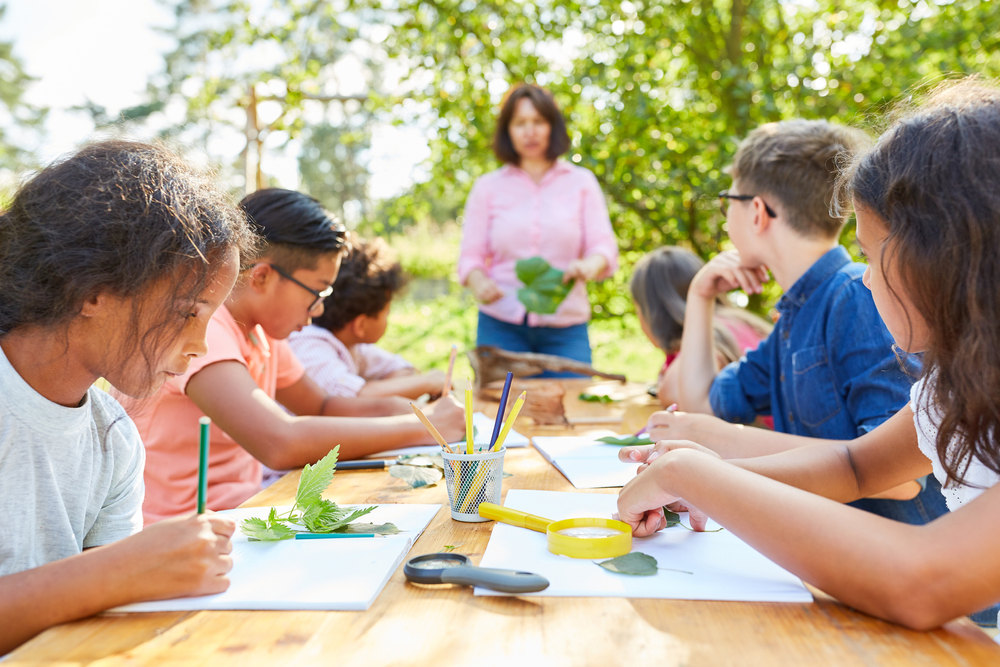
Education can inspire future generations to understand, value, and protect our snow.
See how healthy snowfall supports water, wildlife, and vital mountain ecosystems.