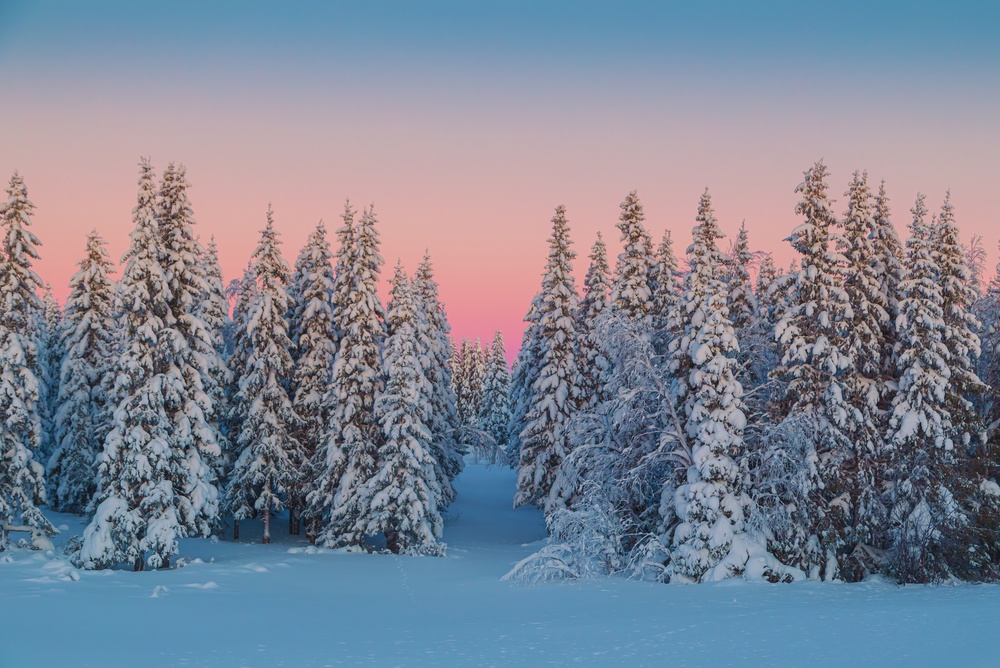
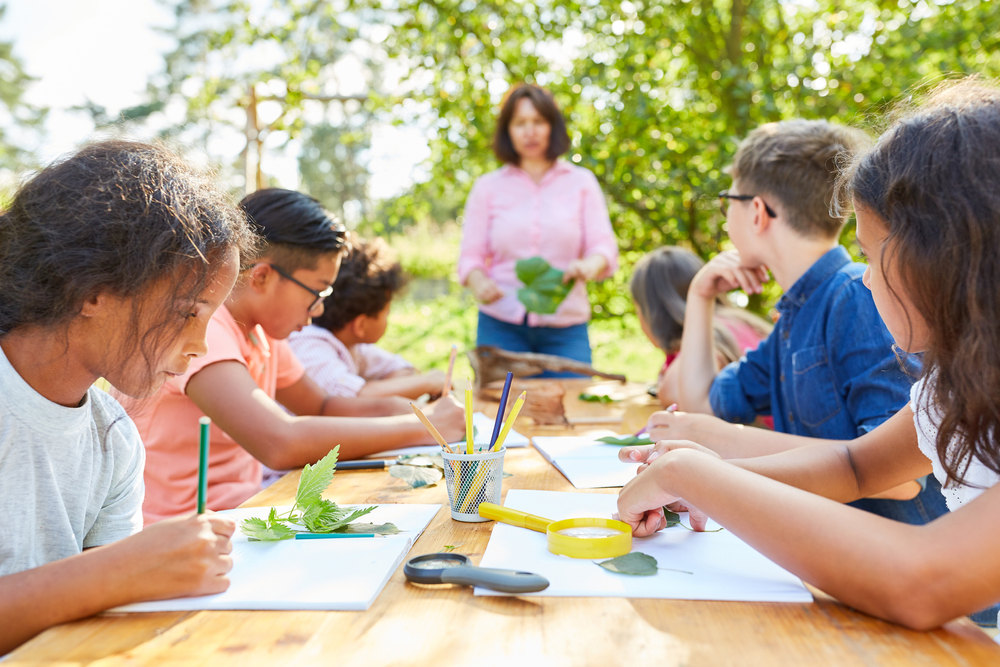
When you understand how nature works, you can make better choices about how you use and care for natural resources. Environmental education gives you the knowledge to understand connections between people, wildlife, water, snow, forests, and changing weather patterns. That knowledge can start at any age, but introducing these ideas to children and young people can help create lasting habits. When you teach a child why clean water matters, why wildlife needs healthy habitats, or why snowpack provides important water resources, you give that child a reason to care about those things. Education can turn an unfamiliar environmental issue into something you can understand and discuss. You do not need to be a scientist to learn about the environment. You can start by observing what happens around you, asking questions, reading reliable information, and talking with others. You can also help younger people learn through outdoor activities, classroom lessons, community programs, and simple conversations at home. When you understand how your choices affect the environment, you may become more thoughtful about energy use, waste, transportation, and outdoor recreation. If you want to strengthen your understanding of winter environments, you can explore educational resources from Saving Our Snow Foundation and share useful information with the people around you.
Environmental Knowledge Can Shape Everyday Choices
Education matters because knowledge can influence the choices you make every day. You may not think about environmental effects when you turn on a light, drive to work, buy a product, or throw something away. Yet each activity uses resources and can contribute to environmental impacts. When you understand those connections, you have more information to guide your decisions. You can reduce unnecessary energy use, reuse items, limit waste, and make transportation choices that support a more sustainable lifestyle. You can also become more careful about how you behave when visiting forests, mountains, and snowy areas. Learning about wildlife can remind you to keep your distance from animals and avoid disturbing their habitats. Learning about water systems can help you understand why clean streams and healthy watersheds matter. Learning about snowfall can show how winter precipitation contributes to water supplies during warmer seasons. These lessons can help you move from simply knowing that an environmental issue exists to understanding why it matters. You can also share what you learn with your family and friends. A simple conversation about conserving water or reducing waste can encourage another person to think about their own habits. When education becomes part of everyday life, sustainable choices can become easier to understand and practice.
Young People Can Become Future Environmental Leaders
The next generation will face environmental questions that require knowledge, creativity, and informed decision-making. Young people today will grow into the adults who make choices about communities, businesses, technology, land use, energy, and natural resources. Environmental education can help prepare them for those responsibilities. When you give young people opportunities to learn about nature, you also give them opportunities to ask questions and think about solutions. A student who learns about snowpack may become interested in water resources. Someone who studies wildlife may develop an interest in habitat protection. Another student may discover a passion for renewable energy, conservation, outdoor education, or environmental science. You never know where one lesson can lead. You can support this process by encouraging young people to spend time outdoors, observe seasonal changes, participate in community activities, and ask questions about what they see. You can also introduce them to organizations and programs that promote environmental awareness. Saving Our Snow Foundation focuses on education, community outreach, and meaningful action related to snow and winter environments. Supporting these efforts can help keep environmental topics visible and accessible. If you care about what future generations will inherit, consider making environmental learning part of conversations with the young people in your life.
Education Can Build Stronger Community Awareness
Environmental education does not have to stay inside a classroom. You can learn through community events, outdoor experiences, educational programs, conversations, and shared activities. When people learn together, they can develop a stronger understanding of the natural resources around them. A community that understands the importance of snow and mountain ecosystems may be more likely to pay attention to changes in snowfall, water availability, wildlife habitats, and seasonal conditions. You can help build that awareness by sharing information with others and encouraging respectful conversations about environmental issues. You can also support local educational programs, participate in community activities, or volunteer when opportunities are available. Even asking questions can help start useful discussions. Why does snowpack matter to water supplies? How can daily energy use affect long-term environmental conditions? What can you do when visiting a snowy mountain to reduce your impact? Questions like these can encourage people to learn more instead of ignoring issues they do not fully understand. You can also help children develop curiosity by letting them observe nature instead of simply telling them what to think. Look at snow, trees, streams, plants, and wildlife together. Talk about seasonal changes and encourage questions. These simple experiences can make environmental education more personal and memorable while helping younger generations develop a stronger connection with the places they may one day be responsible for protecting.
Your Actions Can Help Teach the Next Generation
The future of winter environments depends on more than scientific research or large environmental programs. It also depends on what you learn, what you share, and what you choose to do. Environmental education can help you understand why snowfall matters, how snow supports water systems, and why healthy mountain ecosystems are important to wildlife and communities. When you pass that knowledge to someone younger, you help keep those lessons moving forward. You can lead by example through responsible outdoor habits, thoughtful energy use, reduced waste, and greater awareness of natural resources. You can also support organizations that work to educate communities about winter environments and encourage meaningful action. Saving Our Snow Foundation raises awareness of how human activity affects snowfall and winter environments while encouraging education, community outreach, and sustainable practices. You can support that mission by learning more, sharing information, participating in outreach, or encouraging others to become involved. The choices you make today can influence the habits and attitudes that future generations carry forward. To learn more about environmental education and how you can support efforts to keep snow and winter environments important for future generations, call Saving Our Snow Foundation at (858) 214-4684 today and get involved.
Recent Post
See how communities can work together to protect snow and healthier winter environments.
See how healthy snowfall supports water, wildlife, and vital mountain ecosystems.