

You may not realize how closely your everyday habits connect to winter environments. The way you use energy, travel, shop, and manage waste can all contribute to the conditions that affect snowfall and mountain ecosystems. You do not need to make major changes overnight to start making a difference. Small steps can become lasting habits when you make them part of your daily routine. Start by using electricity wisely at home. Turn off lights when you leave a room, unplug devices you are not using, and choose energy-efficient appliances when it is time to replace older ones. You can also adjust your thermostat instead of heating or cooling your home more than needed. These choices can help reduce energy use and the emissions linked to energy production. You can make similar changes when you shop. Choose durable products, reuse items when possible, and avoid buying things you do not really need. Every thoughtful decision can help reduce waste and resource use. When you understand that your daily habits can connect to larger environmental changes, sustainable living becomes easier to approach. You can start small, stay consistent, and encourage the people around you to try simple changes too. If you want to learn more about how everyday choices connect with winter conditions, take some time to explore the educational work of Saving Our Snow Foundation.
Use Less Energy to Support Healthy Winter Conditions
Your energy use is another area where simple changes can have a positive effect. Burning fossil fuels for energy releases greenhouse gases that contribute to long-term climate change. Climate change can affect temperature, precipitation, and seasonal snow patterns. In mountain areas, even changes in when precipitation falls can have important effects. When more precipitation falls as rain instead of snow, less water may be stored as snowpack for the warmer months. You can help reduce your household energy use by making practical adjustments throughout the year. Turn off appliances when you are finished using them. Wash clothes with cold water when appropriate. Use natural light during the day instead of turning on unnecessary lights. Keep doors and windows closed when your heating or cooling system is running. You can also walk, bike, carpool, or use public transportation when it fits your schedule. Combining several small actions can make sustainable living feel more manageable. You do not have to change every part of your routine at once. Pick one habit that feels easy, practice it until it becomes natural, and then add another. You can also share energy-saving ideas with your family, coworkers, and friends. A simple conversation can inspire someone to make a change and help spread awareness of the connection between daily energy use and winter environments.
Reduce Waste and Keep Natural Areas Cleaner
The amount of waste you create can also affect the health of natural environments. Plastic, packaging, food waste, and other discarded materials can cause problems when not handled properly. Waste can reach streams, forests, mountain areas, and wildlife habitats. You can reduce your impact by choosing reusable products instead of disposable ones. Carry a reusable water bottle, bring reusable shopping bags, and use food containers you can wash and reuse. Before buying something new, ask yourself whether you need it and whether you already have something that serves the same purpose. You can also repair items instead of replacing them when repair makes sense. When you shop, choose products with less packaging and built to last. At home, recycle materials according to your area’s rules and dispose of other waste properly. Your habits matter even more when you visit snowy mountains or other outdoor areas. Always pack out your trash and avoid leaving food scraps behind. Do not assume that a small piece of litter will not matter. Wildlife can encounter items you leave behind, and trash can eventually reach waterways. You can make your outdoor trips more responsible by planning ahead and bringing only what you need. You can also encourage your friends and family to follow the same habits. If you enjoy spending time around snow and mountain landscapes, use each visit as a chance to show care for the places you enjoy.
Make Thoughtful Choices When You Travel and Explore
Your transportation choices and outdoor habits can also support sustainable living. Driving long distances alone can increase fuel use and emissions, so consider carpooling or combining errands when possible. Walking and biking can also be practical choices for shorter trips. When you need to drive, keeping your vehicle properly maintained can help it operate more efficiently. You can also plan errands together instead of making several separate trips. These changes may seem minor, but they can add up over time. Your choices while visiting winter environments matter too. Stay on designated trails and recreation areas, follow local guidelines, and give wildlife plenty of space. Winter can be a challenging season for animals because food and shelter may be harder to find. Disturbing wildlife can add unnecessary stress, so observe animals from a safe distance and never feed them. Keep your belongings and waste with you throughout your visit. You can also choose outdoor gear carefully by repairing equipment when possible and selecting durable items that can serve you for many seasons. Responsible recreation allows you to enjoy snowy landscapes while showing respect for the ecosystems around you. You can encourage others to follow these habits by setting a good example during your next winter outing. When more visitors make thoughtful choices, outdoor spaces can receive greater care and attention.
Help Keep Snow and Winter Environments in the Conversation
You can help support winter environments without making your life complicated. Start with the choices that fit naturally into your routine. Use less energy, reduce unnecessary waste, choose transportation options thoughtfully, and treat snowy outdoor spaces with respect. You can also learn more about how snowfall connects with water, wildlife, forests, and mountain ecosystems. The more you understand these connections, the easier it becomes to see why your everyday actions matter. You can share what you learn with your family, friends, coworkers, and community. You can follow organizations that promote awareness of winter environments, share educational information, and look for meaningful opportunities to support their work. Saving Our Snow Foundation encourages awareness, education, community outreach, and action focused on protecting winter environments and preserving snow for future generations. Your support can help keep important conversations about snowfall and environmental change moving forward. Take another simple step by learning more about the foundation’s mission and finding a way to participate that fits your interests. Every sustainable choice gives you an opportunity to contribute. You may not see the effect of one energy-saving habit or one piece of litter you choose to remove, but consistent action can help build stronger environmental awareness. For more information about how you can support Saving Our Snow Foundation and help keep winter environments a priority, call (858) 214-4684 today and get involved.
Recent Post
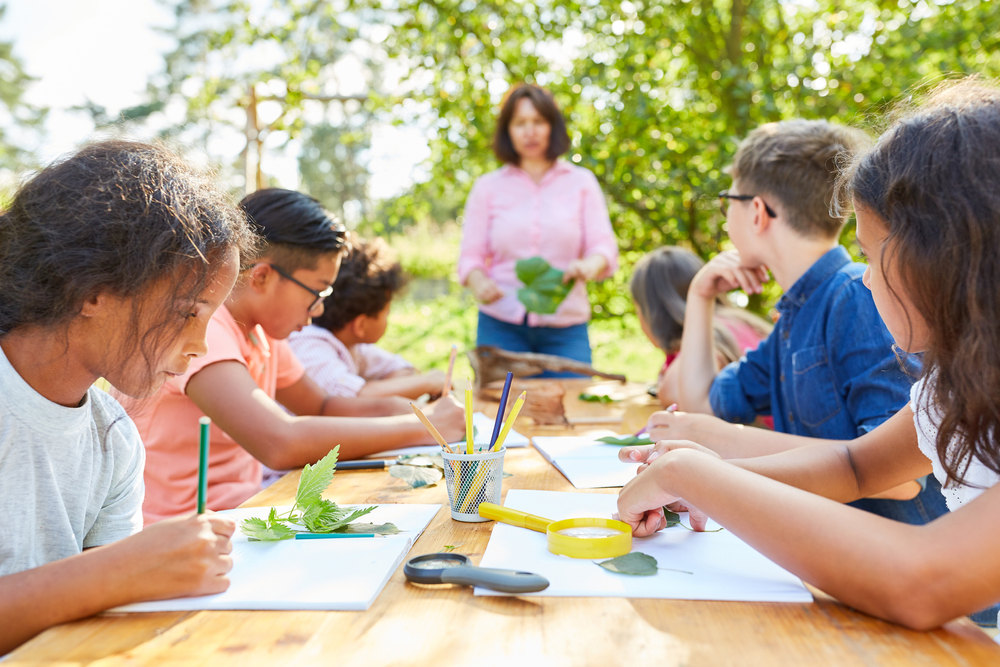
Education can inspire future generations to understand, value, and protect our snow.

See how communities can work together to protect snow and healthier winter environments.