When you think about protecting winter environments, you may picture large conservation projects, scientific research, or major environmental programs. Yet your everyday choices can also make a difference. The way you travel, use energy, manage waste, purchase products, and spend time outdoors can affect the natural systems that support healthy winter conditions. Winter environments depend on stable temperatures, healthy forests, clean water, and balanced mountain ecosystems. Your daily habits connect to each of these areas in ways that may not always be obvious. For example, using less energy can help reduce greenhouse gas emissions, while choosing reusable items can reduce waste that may eventually reach natural areas. You can also make thoughtful choices when visiting snowy mountains by staying on marked trails, respecting wildlife, and taking your trash with you. These actions may seem small, but repeated choices can create meaningful results when many people make them. You do not need to make every change at once. Start with one or two habits that fit your routine, then build from there. By becoming more aware of how your choices affect winter environments, you can make decisions that support healthy snow, water, wildlife, and mountain habitats.
Your Energy Use Can Influence Winter Conditions
The energy you use at home and throughout your daily routine can affect winter environments. Many forms of energy production release greenhouse gas emissions, which contribute to long-term climate changes. These changes can influence temperature, precipitation, and the timing and amount of snowfall in mountain regions. You can reduce your personal energy use by turning off lights and electronics when you do not need them, choosing energy-efficient appliances, adjusting your heating and cooling settings, and using electricity thoughtfully. You can also consider walking, biking, carpooling, or using public transportation when practical. Even reducing unnecessary trips can lower fuel use. These choices are not about being perfect. They are about becoming more aware of how ordinary habits can contribute to larger environmental patterns. You can also encourage people around you to try simple energy-saving steps. If you want to learn more about the connection between human activity and winter conditions, take time to explore educational information from Saving Our Snow Foundation. Learning helps you better understand why your choices matter and can help you make practical changes that fit your lifestyle.
Responsible Outdoor Habits Help Protect Snowy Places
Your choices matter most when you visit snowy mountains, forests, and other winter recreation areas. You may enjoy skiing, snowboarding, hiking, snowshoeing, sightseeing, or simply spending time outside during the colder months. While enjoying these places, you can help reduce your impact by staying on designated routes and following local rules. Avoid disturbing wildlife, especially when animals have limited food and shelter in winter. Keep your distance from wildlife and never leave food behind. Also pack out everything you bring, including food wrappers, bottles, and other waste. A clean environment helps protect soil, water, plants, and animals. You can make your outdoor trips even more responsible by using reusable water bottles, limiting disposable products, and choosing durable equipment when possible. If you see litter during a safe and appropriate outing, picking it up can be another simple way to help. You can also remind friends and family to respect winter habitats. Sharing responsible outdoor habits can encourage more people to treat snowy landscapes with care. Consider supporting winter environmental education efforts to help keep these important issues visible.
Your Daily Waste Choices Can Reach Natural Areas
The waste you create at home, work, or school does not always stay where you leave it. Poorly managed waste can enter waterways, soil, and natural areas. In winter regions, litter and pollution can affect streams and habitats that depend on clean water. You can reduce this impact by choosing reusable products, recycling materials accepted in your area, avoiding unnecessary packaging, and disposing of waste correctly. Before buying something new, ask yourself whether you really need it and whether you can choose a product with less packaging or a longer useful life. You can also bring reusable bags, bottles, and food containers into your daily routine. These habits can reduce the amount of waste you send to disposal facilities and help keep natural spaces cleaner. When you visit snowy areas, your responsibility becomes even more direct. Never leave trash behind, even if it seems small or harmless. Food scraps, plastic pieces, and other materials can harm wildlife and pollute water sources. You can make a difference by treating every outdoor visit as an opportunity to leave the area as clean as you found it. If you want to take your efforts further, share practical waste-reduction ideas with your community and support programs that promote awareness of winter environments.
You Can Help Inspire Action for Winter Environments
You do not have to be an environmental expert to make choices that support winter environments. Start by paying attention to your energy use, transportation habits, purchases, waste, and outdoor activities. You can learn about snowfall and water systems, talk with others about the importance of winter ecosystems, and make thoughtful choices whenever you can. You can also support organizations that raise awareness of the relationship between human activity and winter conditions. Saving Our Snow Foundation focuses on encouraging education, community outreach, and meaningful action to help preserve snow and winter environments for future generations. Your support can help keep these conversations going and encourage others to take part. Consider following the foundation’s work, sharing educational information, or finding an opportunity to get involved. A conversation with a friend can inspire another person to change a daily habit. One responsible outdoor trip can influence how your family approaches future visits. One energy-saving choice can become a lasting routine. When you choose to act with greater awareness, you help build a culture that values snow, clean water, wildlife, and healthy mountain ecosystems. To learn more about how you can support winter environmental awareness, call Saving Our Snow Foundation at (858) 214-4684 today and take the next step toward making a positive difference.
Recent Post
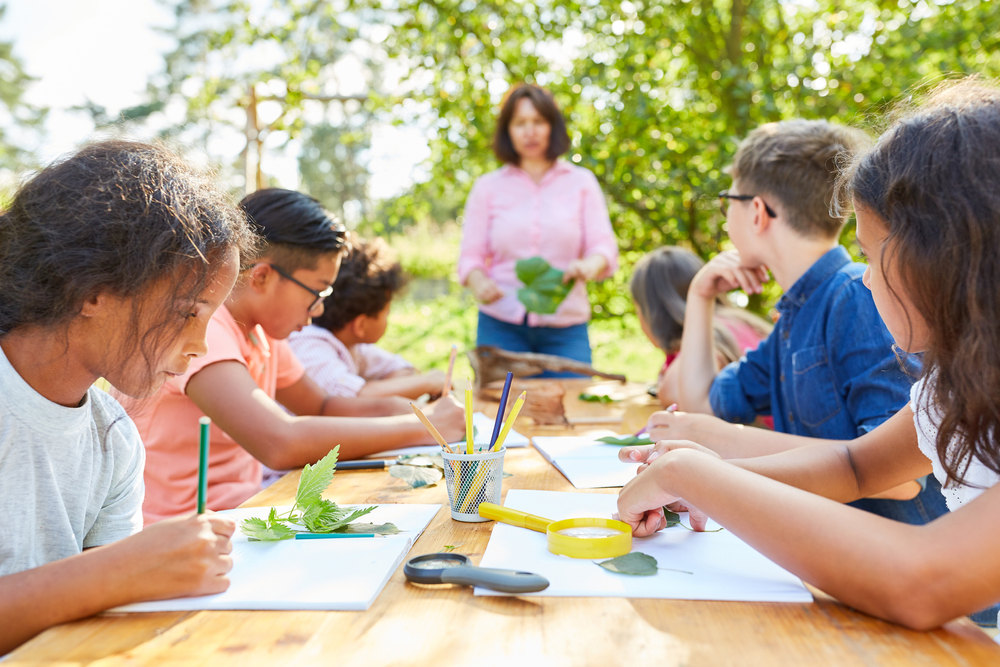
Education can inspire future generations to understand, value, and protect our snow.

See how communities can work together to protect snow and healthier winter environments.